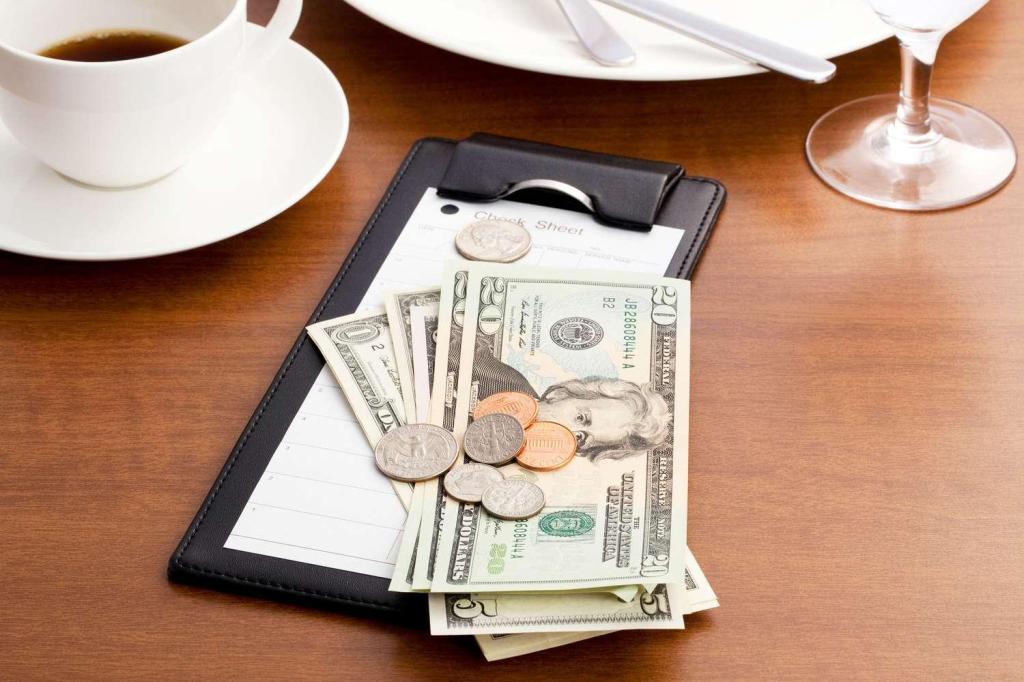

I approached the counter to order food three times recently – a local pizza stop, a hamburger joint and a breakfast café – and during each debit transaction, I was asked for a tip.
Hmmm? Exceptional service? No. Friendly greeting? Somewhat. Extra amenities? Nope.
Tip “creeping’’ is the practice of expanding tips to workers who already earn an hourly wage – probably minimum — such as cashiers, vendors, delivery workers, etc.
Don’t get me wrong. I consider myself a generous tipper for waiters and waitresses who are pleasant and check in regularly during a meal. But counter service?
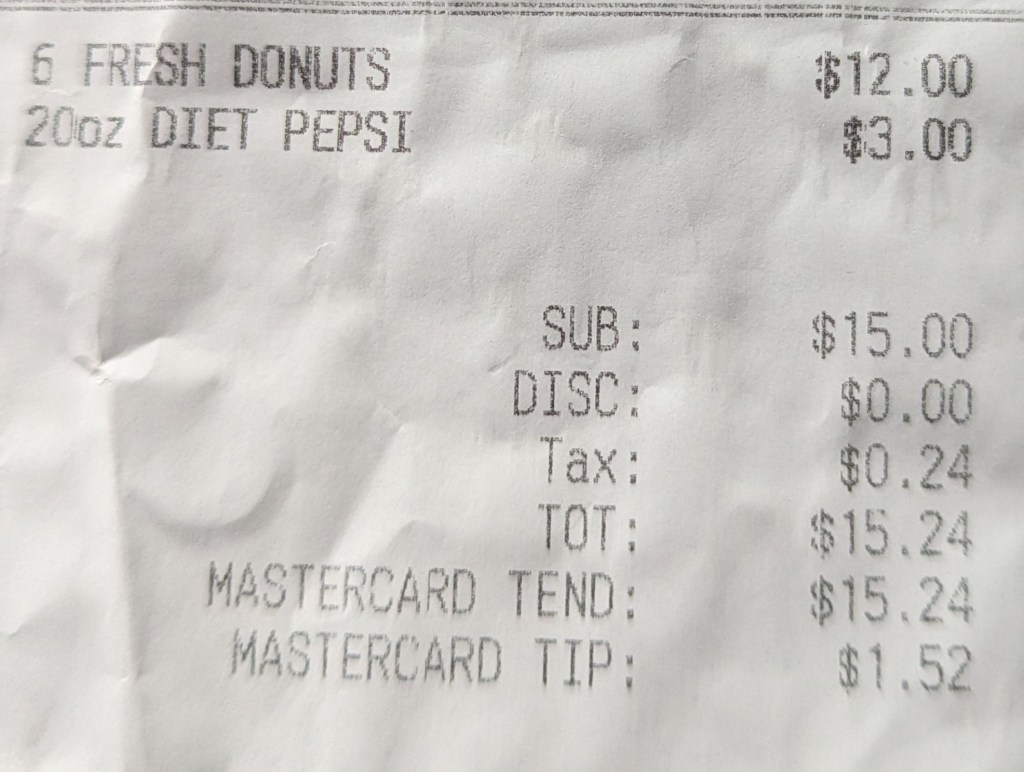
This practice became prevalent during the Covid-19 pandemic. We were generous during this crisis and treated delivery drivers and counter personnel, at risk as they greeted the public, with generous tips.
As life returned to normal, I began to frown on the practice. Many Americans feel the same way. The online restaurant management company Toast reported that tipping dropped one-tenth of a percent over the first two quarters of the year. That’s a billion dollars less in waiters’ and waitressess’ pockets, and we haven’t considered hairdressers and barbers, hotel staff, parking attendants, etc.
It’s not a greedy American thing. Circumstances are the same across the river for our Canadian friends.
Two factors are at play here – tip “creeping’’ and fatigue from inflation. Inflation declined slightly during the first year of the pandemic, but with pent-up demand among customers it rose to 4.7 percent in 2021, 8 percent in 2022 and 4.12 percent last year. For the past 12 months, inflation eased to 2.4 percent. As prices rose, consumers chose to protect their money, hence inflation fatigue and tipping fatigue.
In a Bankrate survey, Baby Boomers have the deepest pockets; Generation Z (1997-2012) resembles Ebeneezer Scrooge:

- At sit-down restaurants, only 35 percent of Gen Z say they tip, but 83 percent of Boomers leave a gratuity.
- If you’re a hairstylist or barber, expect a tip from 70 percent of Boomers, but only 24 percent of Gen Z.
- Taxi drivers and ride-sharing drivers know the trend – expect a tip from 57 percent of Boomers but only 22 percent of Gen Z.
My first encounter with tip etiquette occurred in the ’90s when my son and castmates closed their high school play and went out for a meal. We overheard the organizer leader ask our son for his share of the bill plus tip.
“I don’t tip,’’ he replied. We were stunned, then we interceded.
“You know our waitress (Kathy made $2.50 an hour) on Sunday mornings, who takes great care of you,’’ Mary asserted, “she depends on tips to earn a living. You owe at least 15 percent for the service.’’
He understood.
My rule of thumb in restaurants is to take the first two digits, double them, and round up to the nearest dollar. It’s an easy 20 percent. A $39 bill means an $8 tip. I don’t want to quibble over a dollar or change.
My friend makes me slightly crazy. He pulls out a calculator on his cellphone or does the math on a napkin to determine 15 percent. A dollar or two won’t break him.
“I hope for 20 percent,’’ my exceedingly polite waitress told me at the local Irish pub. She earns $10 an hour. “Sometimes I get 10 percent and I ask myself, ‘What did I do wrong?’ But most people are generous.”
The other tip about tipping I’ve learned in recent years is to carry cash for tips. When I fill out the debit slip, I leave the tip line blank and leave cash. The wait staff doesn’t need to declare it and keeps a little extra for themselves.
Of course, we’ve all witnessed the restaurant scene where the angry patron complains about the food and service and leaves without tipping. My tip – move to Japan where tipping is considered offensive.
Morristown native Jim Holleran is a retired teacher and sports editor from Rochester. Reach him at jimholleran29@gmail.com or view past columns under “Reflections of River Rat’’ at https://hollerangetsitwrite.com/blog/
 Holleran Gets It Write