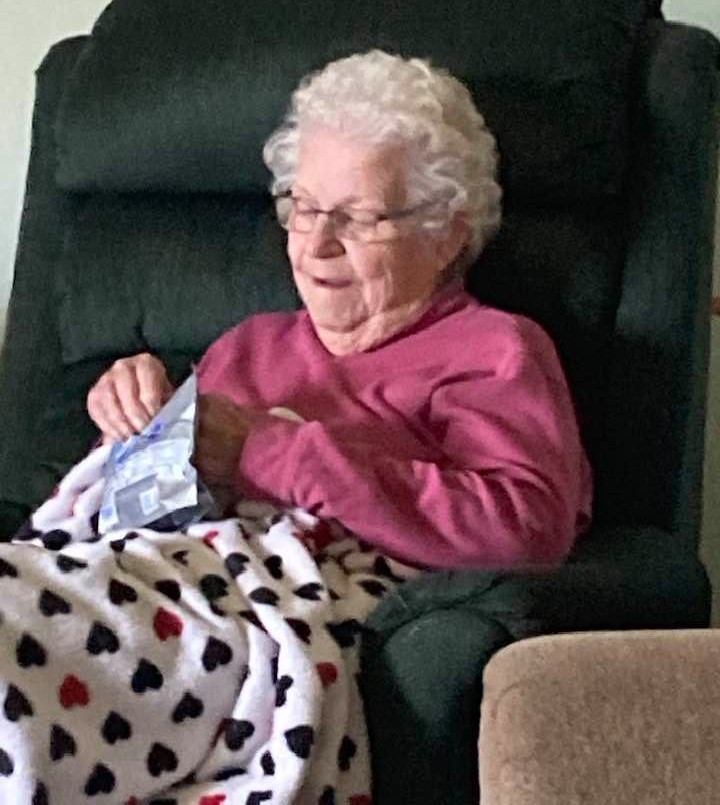

A few weeks after my aunt, Helen Ann Maxwell Murphy, had joined seven of her 12 brothers and sisters in heaven, her daughter Rosemary and I were conducting our post-mortem on the wake, the funeral, my eulogy, her family and the estate.
Rosemary and her siblings had followed their mother’s wishes and arranged for a wake at home. It’s an old Irish tradition that is followed in many rural areas by people mostly in their 80s and 90s.
Aunt Helen was laid to rest in her living room. A remnant of a stained glass window, donated by the Murphy and Maxwell clans to their defunct church, hung over the casket. It was a peaceful, fitting setting for a 98-year-old who lived through the Depression and World War II, raised eight children on a dairy farm, endured a fire that razed her house, buried her husband and valued having her extended family visiting around her kitchen table.
“Did you know that a lot of funeral homes won’t do wakes at home,’’ informed cousin Rosemary. “Fortunately, our local funeral home does it without question.’’
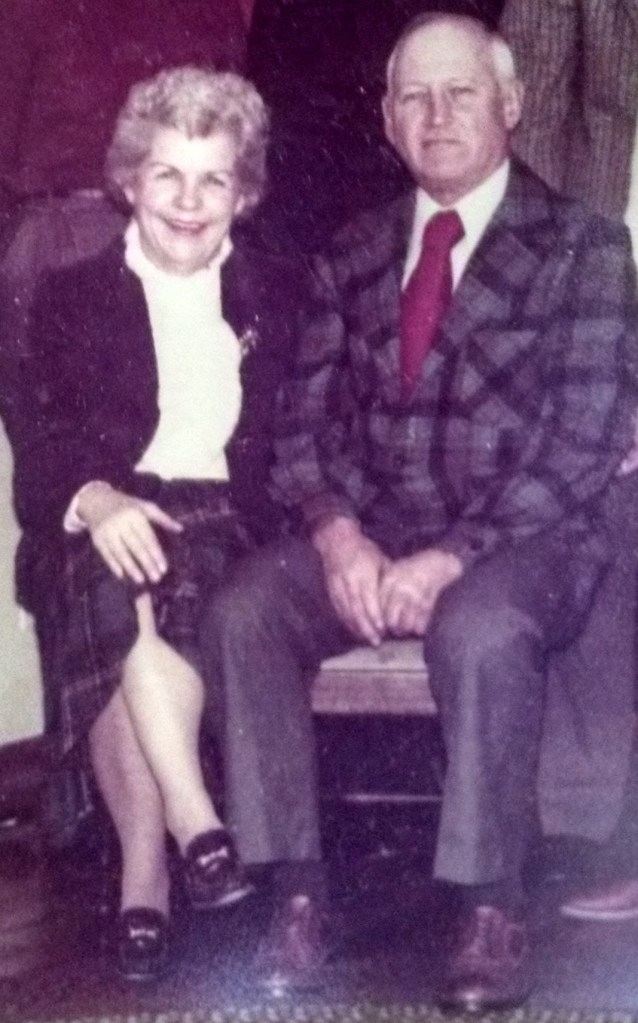
I was stunned. My maternal grandfather was waked at home in 1960 and, despite the fact that I was 2½ years old, I remember walking into the living room to a casket with a purple shroud to hide the burns he had suffered. I returned to the same living room in 1985 when my 90-year-old grandmother passed. I recall the funeral staff removing a window to pass her casket outdoors to the waiting hearse.
Wakes at home are becoming rare. Ogdensburg native Nicole LaRue of LaRue and Pitcher Funeral Home recognized the trend, mostly urban, but said she and her partner Christopher Pitcher are willing to conduct home wakes and funerals.

“We’ve done home wakes; we’ve done home funerals,’’ LaRue said. “As long as we can get in, we’ll do it.’’
She estimated their last home funeral was about 5 years ago in Heuvelton. Access remains the key. Her staff wants to make sure mourners don’t have to climb difficult stairs, that space is adequate to accommodate family and guests, and whether furniture should be moved. Per New York State law, the body must be embalmed before services can be conducted at home.
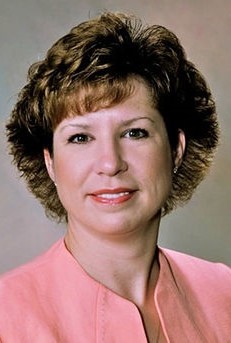
Patti Murray said Fox & Murray Funeral Home last conducted home services about 10 years ago. While her staff is willing to honor home requests – again, access is the key – they have become rare as society becomes transient.
The trend in the funeral industry is toward cremation. In 1960, only 3.5 percent of bodies were cremated. When the Catholic church sanctioned cremations in 1964, they grew more popular each year. This year the industry forecasts cremation figures to rise to 59.4 percent.
“People are very portable now,’’ Murray said. “Children don’t live at home or nearby, they are way across the country. Cremation has become popular out of convenience.’’
The word “wake’’ stems from an old English word meaning to “watch guard.’’ Several hundred years ago, Irish families kept a vigil over loved ones who appeared to be dead in case they awoke. They were guarding against burying alive someone who might be suffering from a rare condition. Over time, the Irish wake morphed into a prayer service. It was a chance to mourn, recall favorite stories and exploits, and celebrate the culture.
I vividly remembering walking from Fran Holleran’s internment at the Morristown cemetery in 1982, with Vic Perretta Sr., down to the family home. A large white tent was visible in our backyard to host family – aunts, uncles, 63 first cousins and local friends. That’s when I overheard a neighbor’s son on his front porch: “Wow, there father just died and they’re having a party!’’ Sorry kid, we were preserving memories.
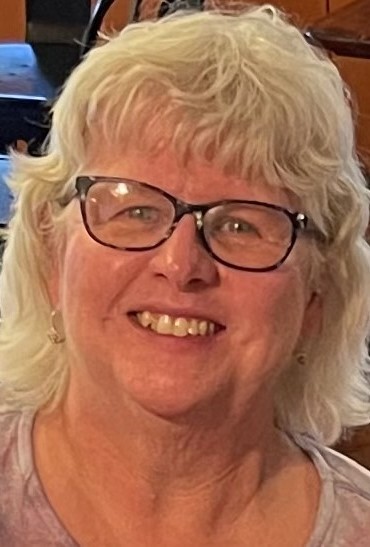
Back in my cousin Rosemary’s living room, our conversation had spilled into the wee hours when she revealed her brother, still in his 50s, was inspired to be waked at home. She rose from the couch to point at the wide window, fronting the street.
“I’ve got mine planned too,’’ said the pragmatic retired teacher and principal. “See that window seat over there. My urn will go there. I want ‘Old Time Rock & Roll’ playing, and the keg will go right next to the piano.’’
I was stunned by her assuredness when I responded: “Sounds like a plan, but let’s not rush things.’’
Morristown native Jim Holleran is a retired teacher and sports editor from Rochester. Reach him at jimholleran29@gmail.com or view past columns under “Reflections of River Rat’’ at https://hollerangetsitwrite.com/blog/
 Holleran Gets It Write
Great article, Seamus!!
LikeLike